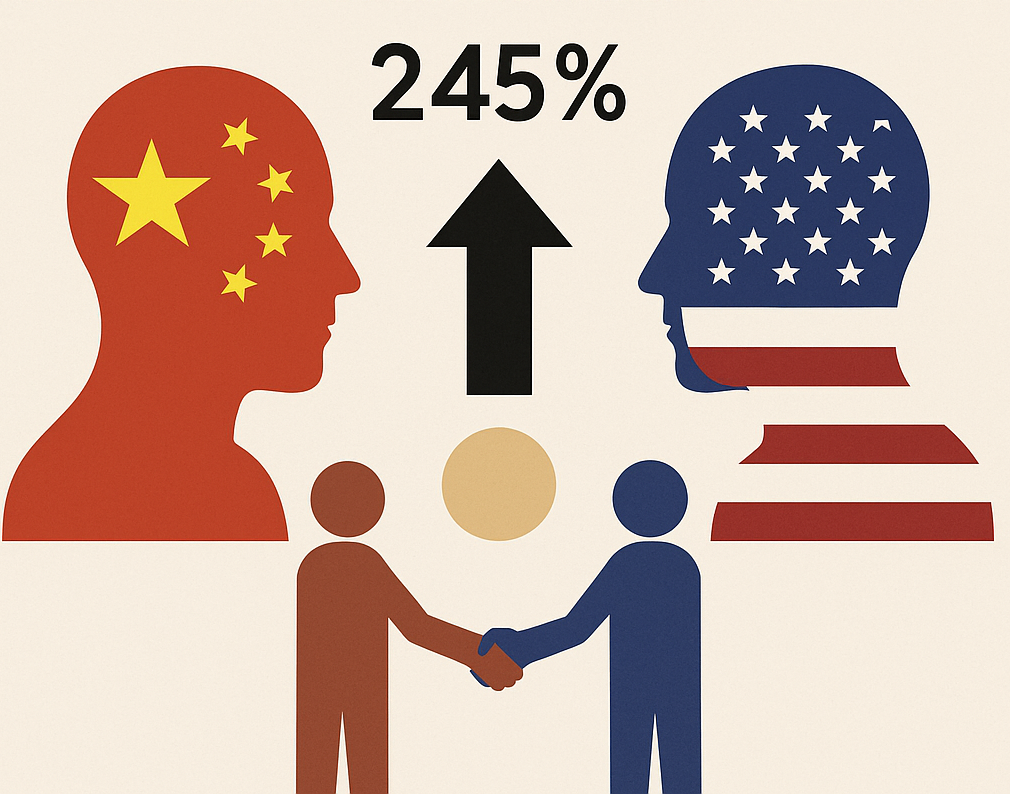
——A Strategic Combination of Third-Party Mediation and Direct Dialogue
By CWB Commentary Group
Introduction
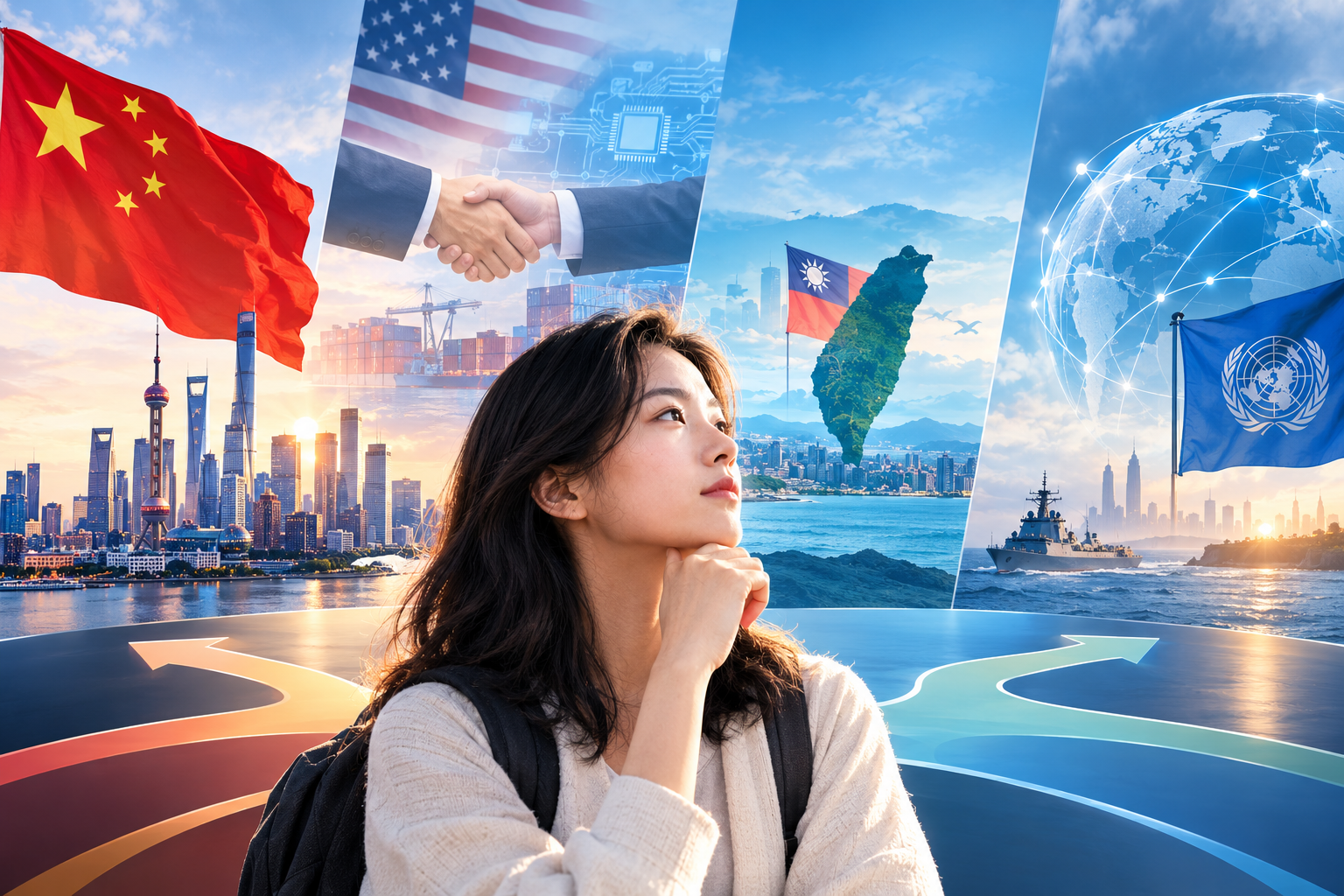
The trade friction between China and the United States has long surpassed the realm of pure economics. Soaring tariffs have become a symbol of confrontation rather than just mutual loss. To break the stalemate, tough talk is not enough. What’s needed is a deeper shift in understanding and strategy. Communication Without Borders (CWB) proposes a “dual-track” approach: leverage the buffer zone created by third-party mediation, while simultaneously restoring direct dialogue between the two nations.
1. More Than Just Economics Behind the Rising Tariffs
By spring 2025, U.S. tariffs on Chinese goods have climbed to 245%. This figure is no longer just an economic tool—it has become a kind of political statement. In the U.S., being tough on China is now part of the language of elections. For China, such high tariffs are seen as hegemonic pressure and a matter of national dignity.
This makes both sides reluctant to back down. Whoever takes the first step may be portrayed as “weak” or “yielding” by domestic and global public opinion. As a result, meaningful negotiations become extremely difficult.
2. The Role of Third Parties: Creating a Way Out
In this tense atmosphere, third-party mediation becomes especially important. Countries or organizations like the EU, Singapore, or Switzerland, though unable to solve everything, can serve as neutral platforms for communication for US and China.
The role of a third party is not just to handle technical details, but also to provide both sides with a way to “save face.” By re-engaging in areas like climate change, global health, or development aid, the focus can shift from confrontation to cooperation. This technique—leveraging less controversial issues to rebuild trust—helps avoid direct clashes.
3. Don’t Rely Solely on Intermediaries: Direct Dialogue Matters
Of course, third-party mediation alone isn’t enough. Without face-to-face communication between China and the U.S., substantial policy changes are unlikely.
China could promote the resumption of high-level economic talks, possibly by establishing a “tariff buffer zone” or a “trade pilot area.” The U.S., for its part, could appoint a special envoy to bypass domestic political gridlock and reopen pragmatic lines of communication.
What matters most is using technical language to address political disagreements—making dialogue feel “less political” and gradually rebuilding trust.
4. Dual-Track Strategy: Two Legs Are Better Than One
Some may think it’s either third-party mediation or direct talks, not both. But in reality, the most effective approach may be to pursue both simultaneously.
Third parties help lower the temperature and create room for maneuver; direct dialogue enables the two sides to address real issues. This combination helps break the “first to concede loses” mindset and opens up space for new forms of interaction.
5. Conclusion: A Shift in Perspective Is the Real Breakthrough
Breaking the deadlock doesn’t mean going back to the past—it means forging a new order of communication and negotiation amid polarization and tension.
CWB is not just concerned with the rise and fall of tariff numbers. We pay attention to the narratives, emotions, and identity structures behind policy choices. We believe that only when both sides stop clinging to the mindset of “you are the enemy” can true dialogue between China and the United States begin.