By Lin Zhaoyuan
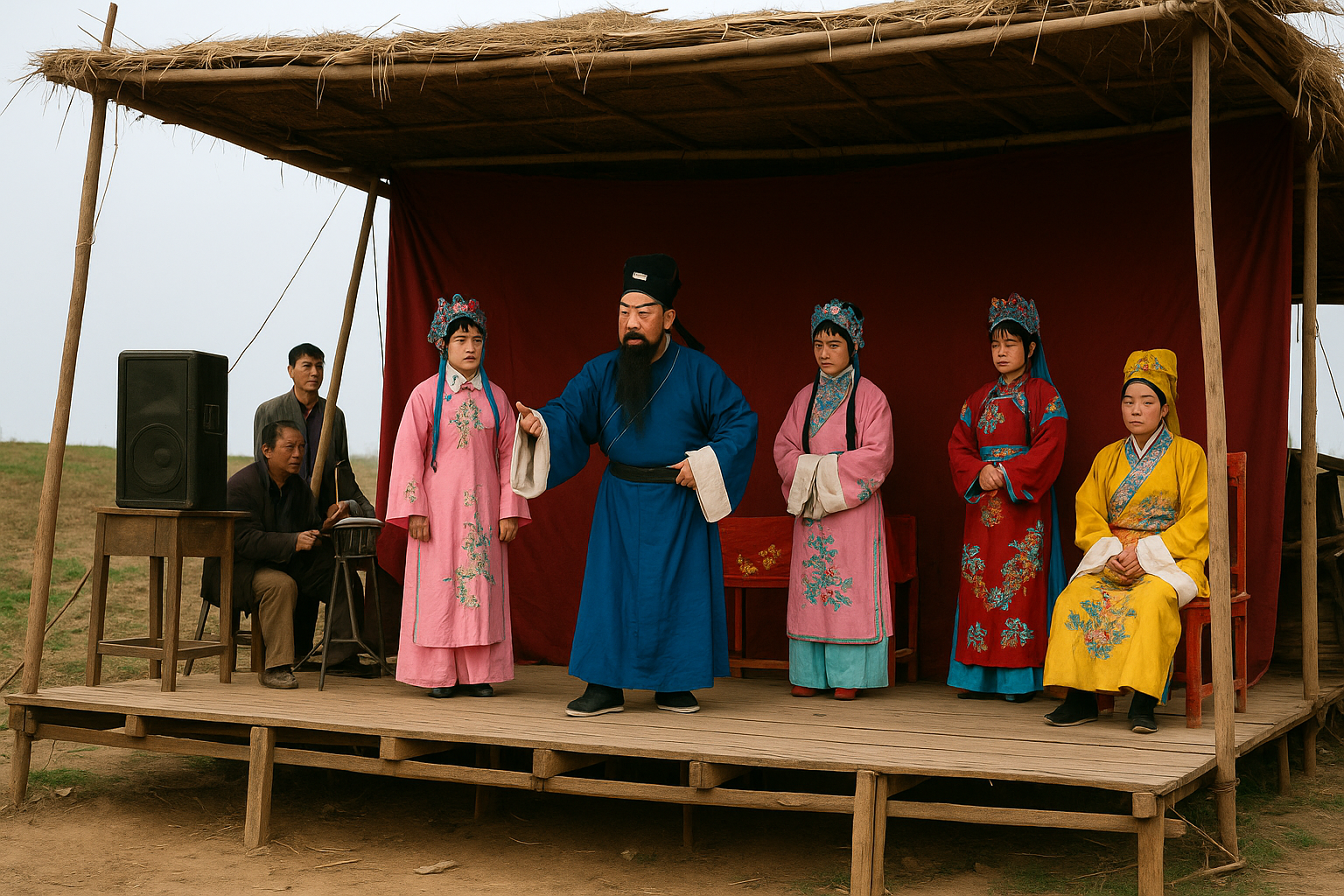
In China, the academic reputation of universities no longer rests on genuine scholarly foundations, but rather on the workings of power and publicity. Academic freedom has been replaced by layer upon layer of bureaucratic evaluation, and governance philosophies have been consumed by officialdom. The entire higher education system resembles a massive “makeshift troupe”—outwardly bustling, inwardly decayed, filled with leaders who feign competence and subordinates who blindly follow orders.
The Appointment of University Presidents:Academic Silence, Power Dominance
University presidents in China are not selected based on academic merit or scholarly achievement. Instead, they are appointed from above—by authorities often lacking expertise in the disciplines concerned. These decisions are frequently based on “perception” and “reliability”. Even more troubling is that once in office, these presidents swiftly assemble administrative teams chosen for loyalty and obedience rather than expertise and academic vision. The result is a profound erosion of academic authority.
The Plight of Deans:Professionalism Undervalued, Management Reduced to Formalities
Within such a system, many deans are not academic leaders but proxies of bureaucratic compliance. It is an open secret that some deans know little about the disciplines they oversee, yet they stand in judgment over others, managing departments and evaluating faculty. Bereft of the capacity for academic judgment, these administrators are incapable of establishing fair and just evaluation systems. They neither can nor care to assess professional qualifications—what matters most is obedience.
Coercive Evaluations:Universities Transformed into Bureaucratic Barracks
The central task of university management has become ensuring “ideological security”. Performance evaluations, promotions, and project assessments—supposedly academic processes—are now tightly controlled by administrative authorities. Faculty members are no longer dedicated to teaching and scholarship, but are trapped in endless cycles of documentation, result packaging, and project competition. Teaching becomes rote; research is riddled with vested interests. The academic ecosystem is in steep decline.
The Price of a “Makeshift Troupe”:The Spread of Frivolity and the Death of Scholarship
This system of “non-experts managing experts” has stripped universities of both academic judgment and long-term vision. Faculty focus only on passing evaluations; research is frequently inflated or fabricated. The much-touted “Double First-Class Initiative” has become a mirage of rankings. Universities compete to “overtake on curves,” but end up deteriorating together. The farce of the makeshift troupe is a tragedy for both education and scholarship.
Lament: Whither Chinese Universities?
Unless the power-driven absurdities of the current university system are faced and reformed, China’s academic quality and global reputation will continue to wither. Only by restoring professional authority and respecting academic principles can we escape this makeshift predicament and reenter a scholarly landscape worthy of the name.
Epilogue
If you find this article too radical, it likely means you do not truly understand the realities of Chinese higher education. Those within the system mostly remain silent—not out of agreement, but exhaustion; not due to comprehension, but helplessness. More worrying still is that society at large continues to live in a romanticized illusion of the university—as if it were a temple of knowledge, a high ground of thought—without realizing how far it has already deviated and declined.
The author is a retired faculty member from a Chinese university.