
By Bi Yantao
On March 7, 2025, The New York Times published an opinion article titled “America Is Dangerously Ignorant of What’s Going On in China”. Though somewhat exaggerated, it carries a degree of truth.
On March 20, 2024, Lianhe Zaobao in Singapore quoted Scott Kennedy, a senior advisor at the Center for Strategic and International Studies (CSIS) in the United States, who stated that “it is crucial to clarify whether China’s top leadership is making decisions consciously or unconsciously“.
In July 2020, a well-known American university conducted a public opinion survey on China, yielding unforgettable and thought-provoking conclusions. Strangely, it took experts in the U.S. several years to reflect on these findings.
The overlapping influences of political ecology and traditional culture create turbulence, making it difficult for outsiders to grasp the realities of modern China.
Years ago, I would occasionally follow overseas Chinese commentaries on China. However, I have long since lost interest. After spending years abroad, many overseas Chinese are deeply influenced by their host countries while simultaneously losing touch with contemporary China, leading to frequent misinterpretations.
Now, Communication Without Borders (CWB) will serve as a new window for the world to understand China, helping external audiences connect with the true pulse of the country today.
At the same time, CWB also provides a channel for Chinese people to better understand their own nation.
China’s leadership primarily relies on internal reference reports (nei can) for information, while the general public depends on mass media to understand the world. Yet today, both systems have become dysfunctional and overwhelmed. In response, CWB rises to the challenge, guiding its readers through the fog to rediscover China and the world.
This is CWB’s self-positioning and historical mission.
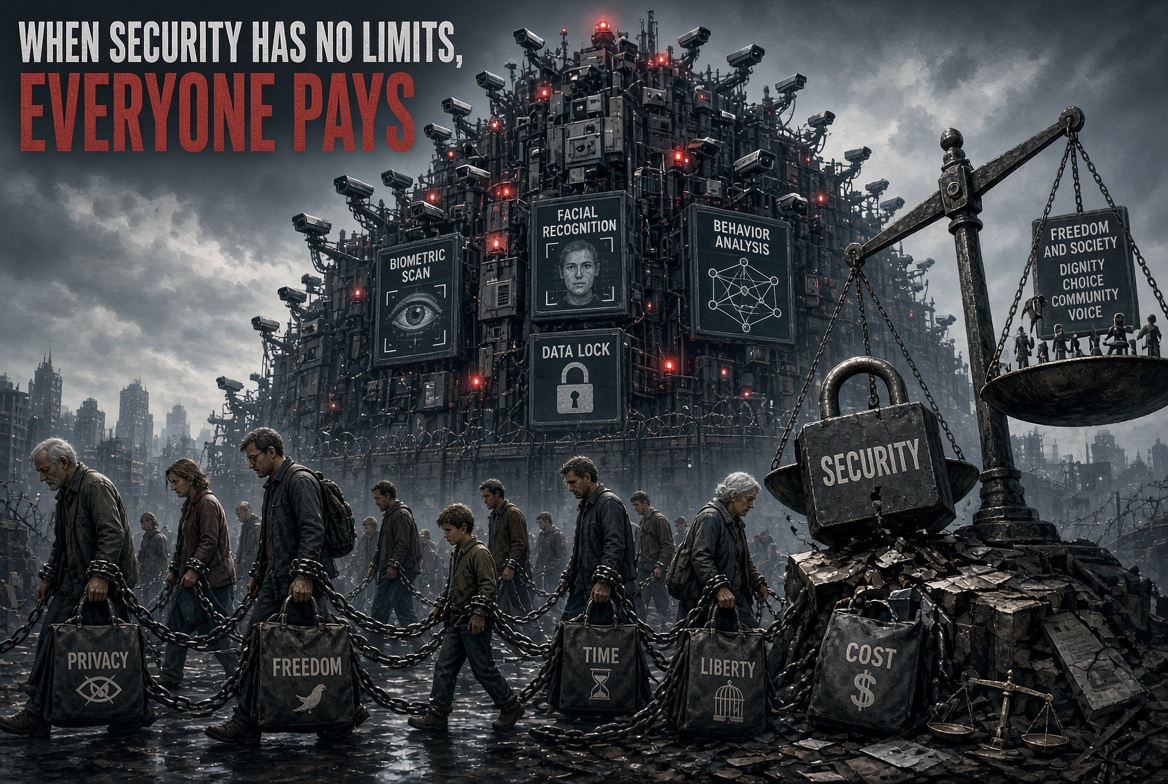
The illustration in this article was generated by Grok. Thanks for the contribution.