By Bi Yantao
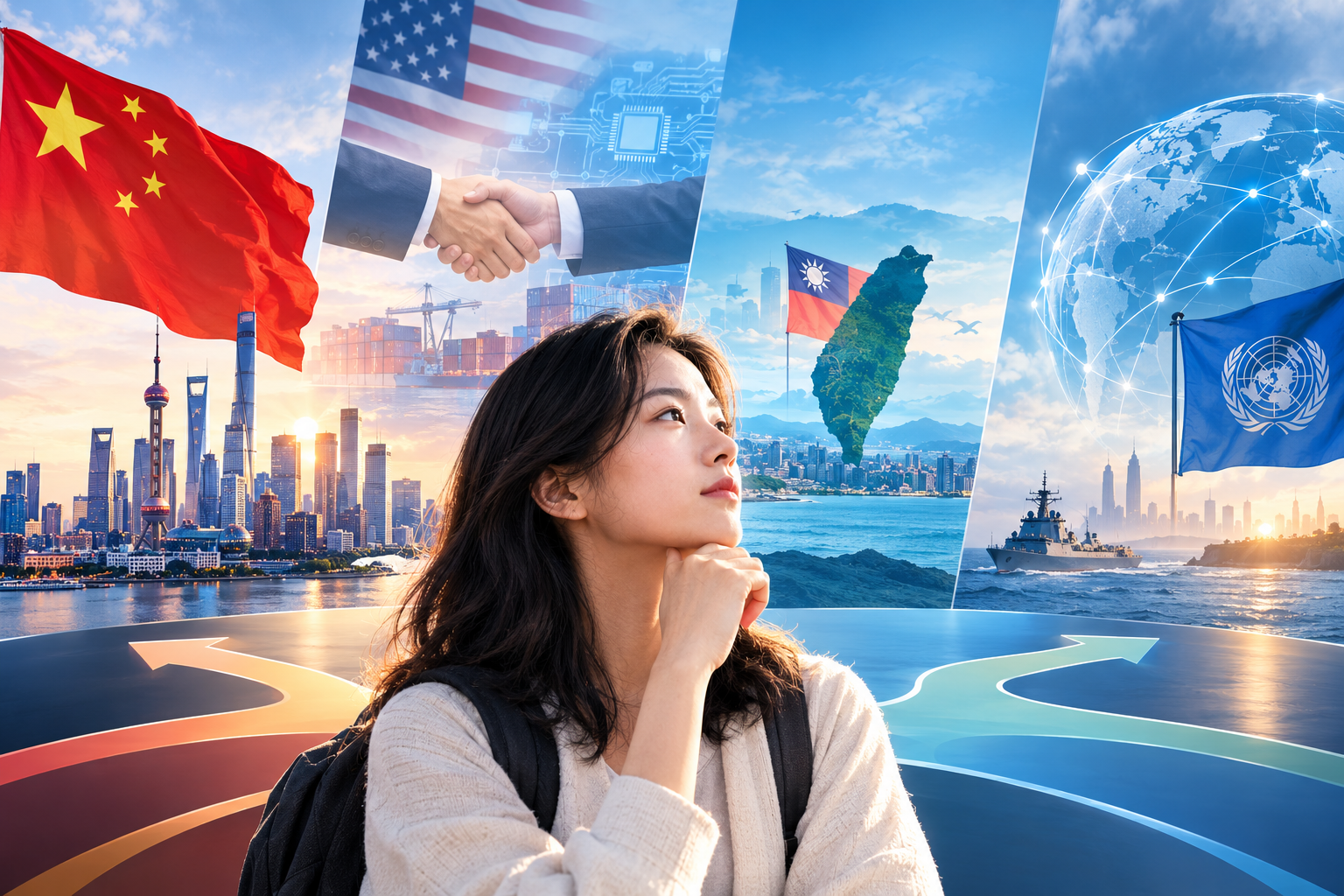
In 2025, with Donald Trump’s return to the White House, U.S. policy toward China has once again hardened. The average tariff level imposed by the U.S. on Chinese goods has been raised to 145%, while China has responded with reciprocal countermeasures, market access restrictions, and supply chain restructuring. This confrontation has gone beyond traditional trade disputes and evolved into a systemic contest embedded within strategic rivalry. Although the deadlock appears intractable, there are indeed feasible pathways to break it—what matters is not “who yields first,” but how to design an engagement scenario acceptable to both sides.
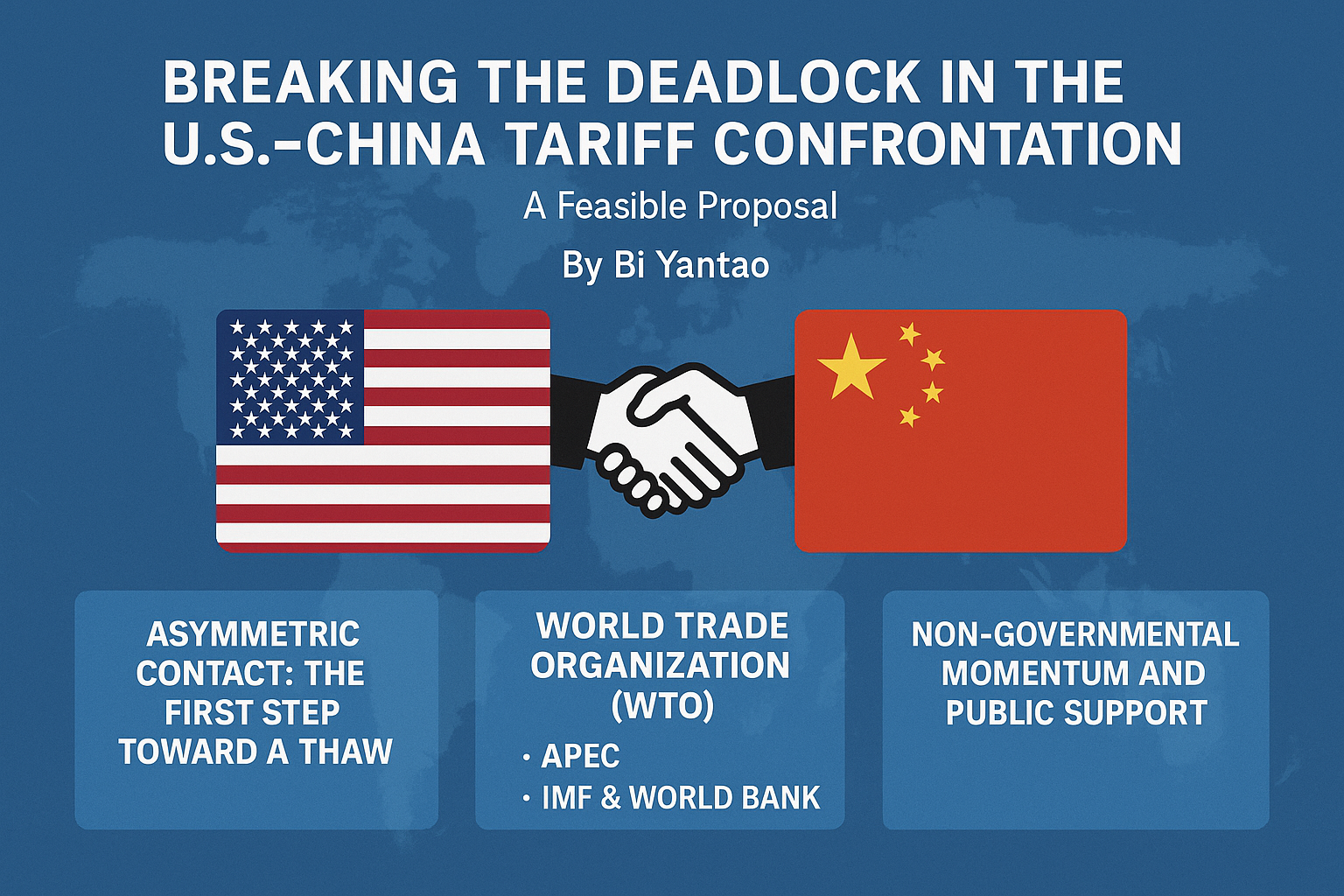
Asymmetric Contact: The First Step Toward a Thaw
In the current climate, where any overture toward negotiation may be interpreted as weakness or surrender, direct proposals for talks are politically risky. Thus, the most viable solution lies in creating a space for dialogue through “asymmetric contact” and “multilateral platform facilitation.”
“Asymmetric contact” refers to informal, non-binding interactions—initiated without preconditions, public announcements, or official frameworks—occurring organically on the sidelines of third-party international platforms. This approach avoids the political cost of unilateral goodwill while laying the groundwork for substantive dialogue.
Who Should Take the Lead?
The ideal international organization to facilitate such asymmetric contact should possess the following characteristics: a strong neutral image, professional authority in trade matters, and multilateral convening power within the global order. Based on these criteria, the following institutions are suitable candidates (though others may also play this role):
- World Trade Organization (WTO)
Despite its ongoing internal reforms, the WTO remains the legitimate cornerstone of global trade rules. A “mini-ministerial meeting” or technical consultation under WTO auspices could depoliticize tariff issues and bring them back into the framework of rule-based discourse. - Asia-Pacific Economic Cooperation (APEC)
As a regional economic platform where both China and the U.S. are members, APEC offers a pragmatic space for dialogue with a light institutional footprint. Historically, it has provided opportunities for informal bilateral contacts. Arranging business leader dialogue sessions during the APEC CEO Summit could create conditions for an “accidental encounter.” - International Monetary Fund (IMF) & World Bank
If the engagement is initiated under the broader themes of global supply chain stability or development aid, these institutions could convene technical discussions on topics such as “global inflation and tariff spillover effects.” This framing would recast the talks as serving global responsibilities rather than bilateral horse-trading.
Small Steps: Non-Governmental Momentum and Public Support
A joint report by the U.S. Chamber of Commerce or the U.S.-China Business Council (USCBC) and the China Council for the Promotion of International Trade (CCPIT) could highlight the real impact of tariffs on business operations. This would provide both data support for a return to technical engagement and help shape public discourse in favor of a rational approach to re-engagement.