Editor’s Note: On April 23, 2025, as Editor-in-Chief of Communication Without Borders (CWB), Professor Bi Yantao sent a letter to WTO Director-General Dr. Ngozi Okonjo-Iweala. The letter proposes that the WTO discreetly facilitate informal, rules-based contact between China and the United States as a means of easing escalating tariff tensions and reopening channels of dialogue without political pressure. The full text of the letter is as follows. To: Dr. Ngozi Okonjo-Iweala
Director-General
World Trade Organization (WTO)
Rue de Lausanne 154
CH-1211 Geneva 2
Switzerland
Dear Dr. Okonjo-Iweala,
Subject: A Proposal for WTO-Led Facilitation of Informal Contact Between China and the United States on Tariff Issues
I hope this letter finds you well.
As a communication scholar and observer of international strategic narratives, I am writing to respectfully suggest that the World Trade Organization consider facilitating a new form of dialogue—discreet, informal, and rules-based—between China and the United States in response to their ongoing and escalating tariff standoff.
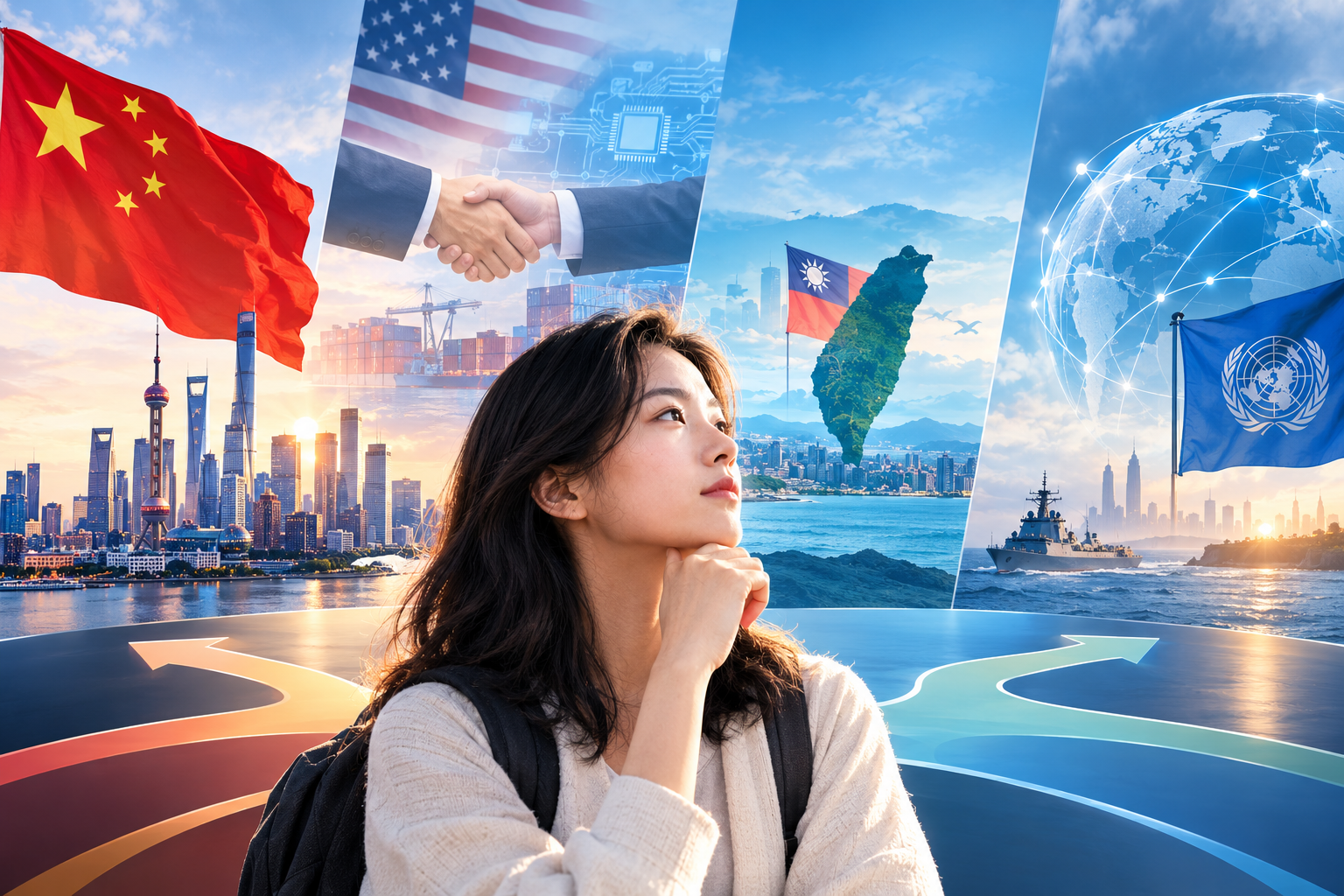
Since 2025, the tariff confrontation between the two largest economies has reached unprecedented levels, with average U.S. tariffs on Chinese goods reportedly approaching 145%, and reciprocal measures from China affecting nearly all American exports. While the situation has evolved beyond a mere trade dispute into a deeper systemic rivalry, I believe the WTO remains uniquely positioned to provide a neutral, rules-oriented environment for re-engagement.
I am not suggesting formal negotiations or any high-level summit that may carry political sensitivities. Rather, I envision a WTO-facilitated platform for asymmetric contact—quiet, unofficial interactions held on the sidelines of technical meetings, mini-ministerials, or thematic workshops. Such contact can help reduce misperceptions, de-escalate tensions, and eventually lay the foundation for substantive exchanges without requiring either party to publicly appear to concede ground.
The WTO’s legitimacy, multilateral credibility, and technical capacity make it the most suitable actor to host such engagements, especially under the framing of shared responsibility for maintaining global trade stability. In this regard, informal consultations or roundtables on topics such as “tariff spillover effects on global inflation” or “trade policy coherence amid geopolitical shifts” may offer productive starting points.
Your leadership in navigating WTO through difficult times has been inspirational, and I trust your judgment in recognizing the diplomatic opportunities that multilateralism still affords. I would be honored to further elaborate on this idea, if desired, and I hope this proposal will contribute to ongoing efforts toward global economic stability and peace.
With my highest respect,
Prof. Bi Yantao
Editor-in-chief
Communication Without Borders (CWB)
www.borderlesscomm.com
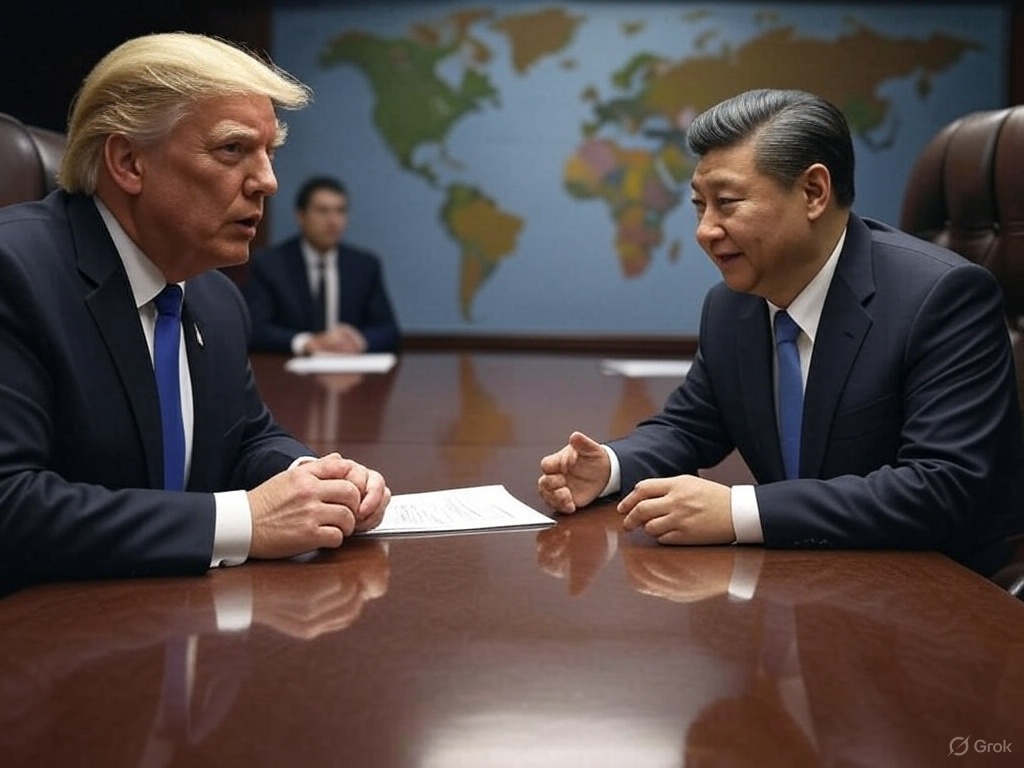
The illustration was generated by Grok, with thanks.