Abstract
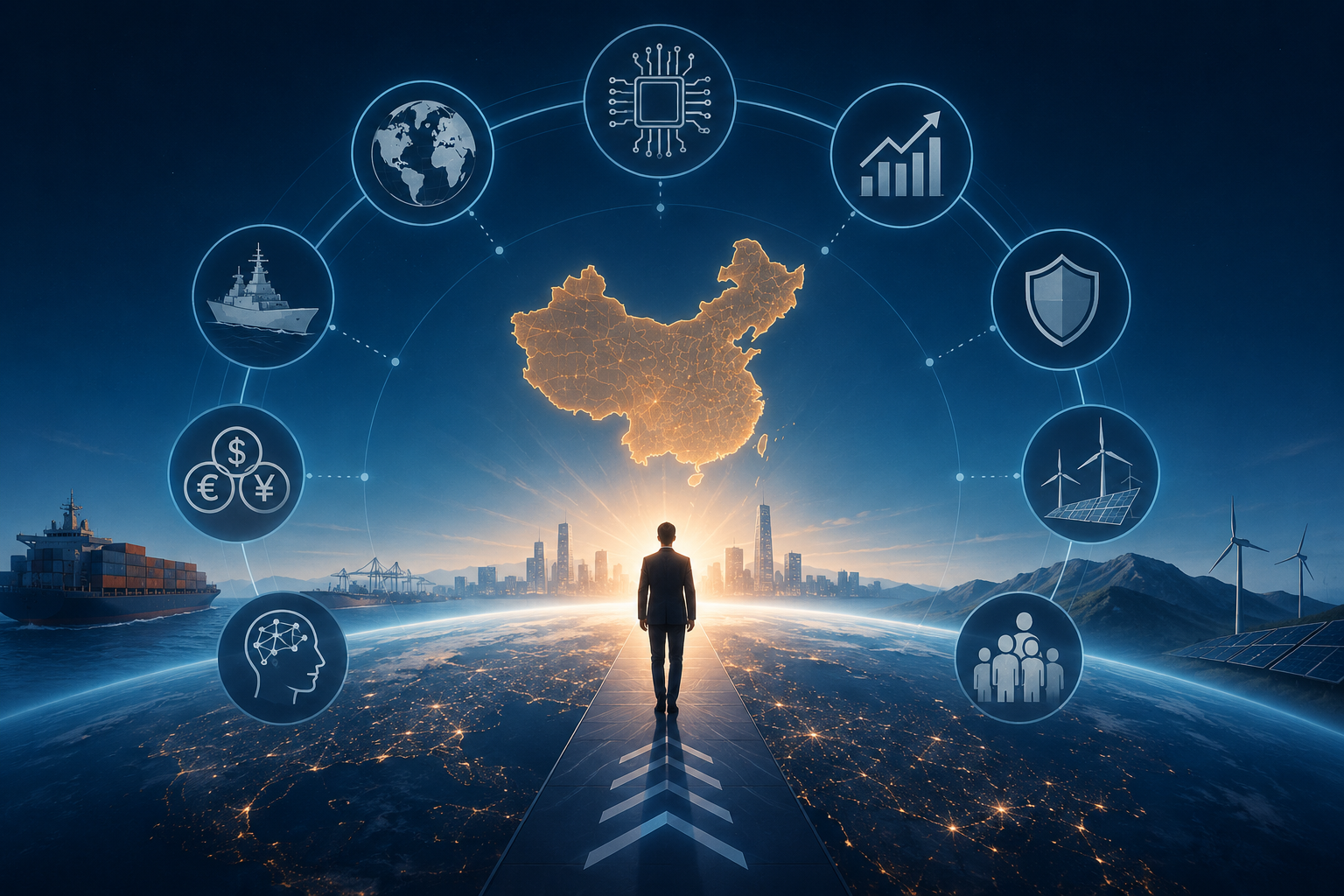
China’s future development will be shaped not only by domestic policies and economic cycles, but also by a range of powerful global structural forces. These forces are long-term, transnational, and institutionalized in nature, continuously redefining the boundaries within which nations operate. This article argues that the most consequential structural forces affecting China in the coming decades include the reconfiguration of the international power structure, technological paradigm shifts, the reorganization of the global economy, demographic transformation, and competition in the cognitive domain. Among these, technology and cognition are emerging as new strategic frontiers, while institutional adaptability will determine whether China can transform external pressures into drivers of national development.
Keywords: International Order; Technological Revolution; Cognitive Space; Demographic Structure; Institutional Capacity
By Bi Yantao
Published on June 2, 2026
I. China Is Entering an Era Defined by Structure
Over the past four decades, China’s rise has been driven largely by reform and opening-up, demographic dividends, and the expansion of globalization.
However, as the world moves deeper into the third decade of the twenty-first century, many of the conditions that supported rapid growth are changing. Globalization is no longer centered solely on efficiency but increasingly emphasizes security and resilience. Technological innovation is no longer merely an economic issue; it has become a core component of national competition. The international order is evolving from unipolar dominance toward a more fragmented and competitive landscape. Demographic trends are shifting from advantage to constraint, while digital platforms and artificial intelligence are reshaping the global cognitive environment.
These developments are not short-term fluctuations but structural forces with long-lasting consequences.
Unlike policy adjustments, structural forces are difficult to reverse. Yet they continuously shape the opportunities and limitations facing nations.
To understand China’s future, one must first understand the deeper structures that are transforming the world.
II. The Reconfiguration of Global Power: The External Framework of China’s Future
The international distribution of power has always been the most important external factor shaping national development.
Since the end of the Cold War, the United States has occupied a central position in the global power system. Over the past two decades, however, the global distribution of power has begun to change significantly. China, India, and other emerging economies have continued to rise, while the influence of the Global South has steadily expanded.
This transformation does not imply the rapid collapse of the existing order. Rather, it signals the emergence of a more complex, multi-centered world.
The future international system is unlikely to be purely unipolar, bipolar, or conventionally multipolar. Instead, it may evolve into a system characterized by multiple centers of power, overlapping networks, and diverse issue-based coalitions.
In such an environment, competition among states will extend far beyond military capabilities. Rule-making authority, technological standards, financial influence, and agenda-setting power will become increasingly important.
For China, maintaining a balance between competition and cooperation will remain a long-term strategic challenge.
III. Technological Revolution: Rewriting the Rules of National Competition
If the Industrial Revolution shaped the past two centuries, the AI Revolution may shape the decades ahead.
Advances in artificial intelligence, advanced computing, biotechnology, renewable energy, and quantum technologies are redefining productivity itself.
More importantly, this technological transformation extends beyond industry. It is beginning to reshape governance, social organization, and international order.
Technology is increasingly becoming a source of power.
Those who control core technologies can influence positions within global value chains. Those who set technological standards can shape future rules.
As a result, technological competition has evolved from market competition into strategic competition among nations.
One of the key determinants of China’s future international standing will not be the size of its population or capital stock, but its ability to sustain technological innovation.
In this sense, scientific and technological capabilities have become central components of national competitiveness.
IV. Global Economic Reorganization: From Efficiency to Security
The globalization of the past several decades was built upon the principle of maximizing efficiency.
Companies pursued the lowest production costs, capital sought the highest returns, and supply chains expanded across the globe.
However, the COVID-19 pandemic, geopolitical tensions, and technology restrictions have led governments to reassess the vulnerabilities associated with globalization.
As a result, supply chains have been redefined.
They are no longer viewed solely as commercial arrangements but increasingly as matters of national security.
Concepts such as nearshoring, friend-shoring, and industrial reshoring have gained prominence, reflecting a profound transformation in the logic of the global economy.
The future world is unlikely to abandon globalization altogether. Rather, a new form of globalization is emerging.
This new globalization places greater emphasis on security, resilience, and controllability.
For China, the central question is no longer whether to participate in globalization, but how to maintain competitive advantages within a restructured global division of labor.
V. Demographic Transformation: China’s Deepest Internal Challenge
Compared with technological revolutions, demographic changes unfold more slowly.
Yet their consequences are often more profound.
China has entered an era of population decline and accelerating aging. The era of labor-force expansion is drawing to a close.
Demographic transformation will directly affect economic growth, social welfare systems, fiscal sustainability, and consumption patterns.
Historical experience shows that most developed countries have faced aging-related challenges.
China’s situation is distinctive because it must complete modernization and demographic transition simultaneously within a relatively compressed timeframe.
As a result, future development will increasingly depend on educational attainment, technological capability, and talent quality rather than population size alone.
Demographic competition is gradually becoming competition for human capital.
VI. Competition in the Cognitive Domain: The New Battlefield of International Rivalry
If oil was the strategic resource of the twentieth century, attention may become the strategic resource of the twenty-first.
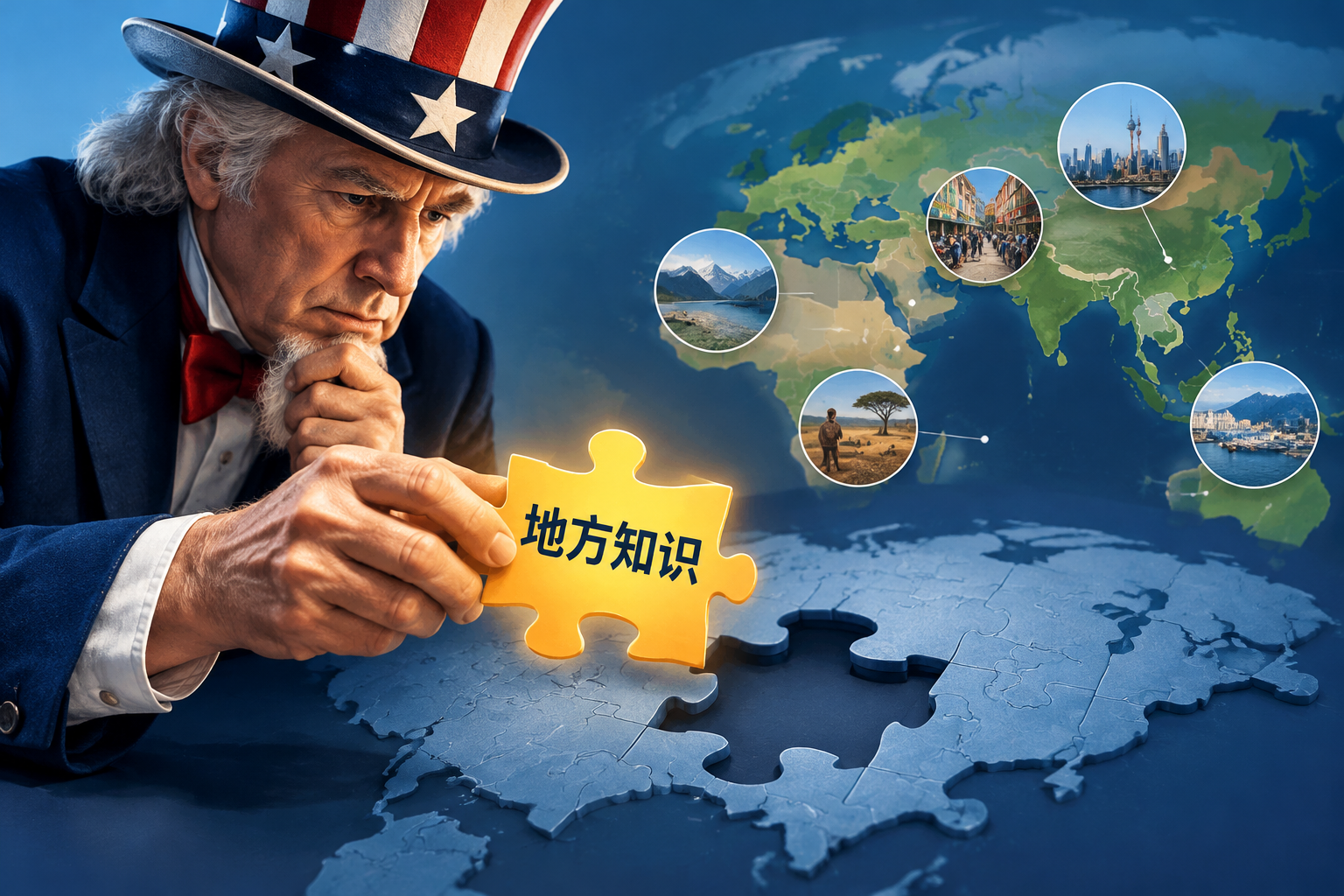
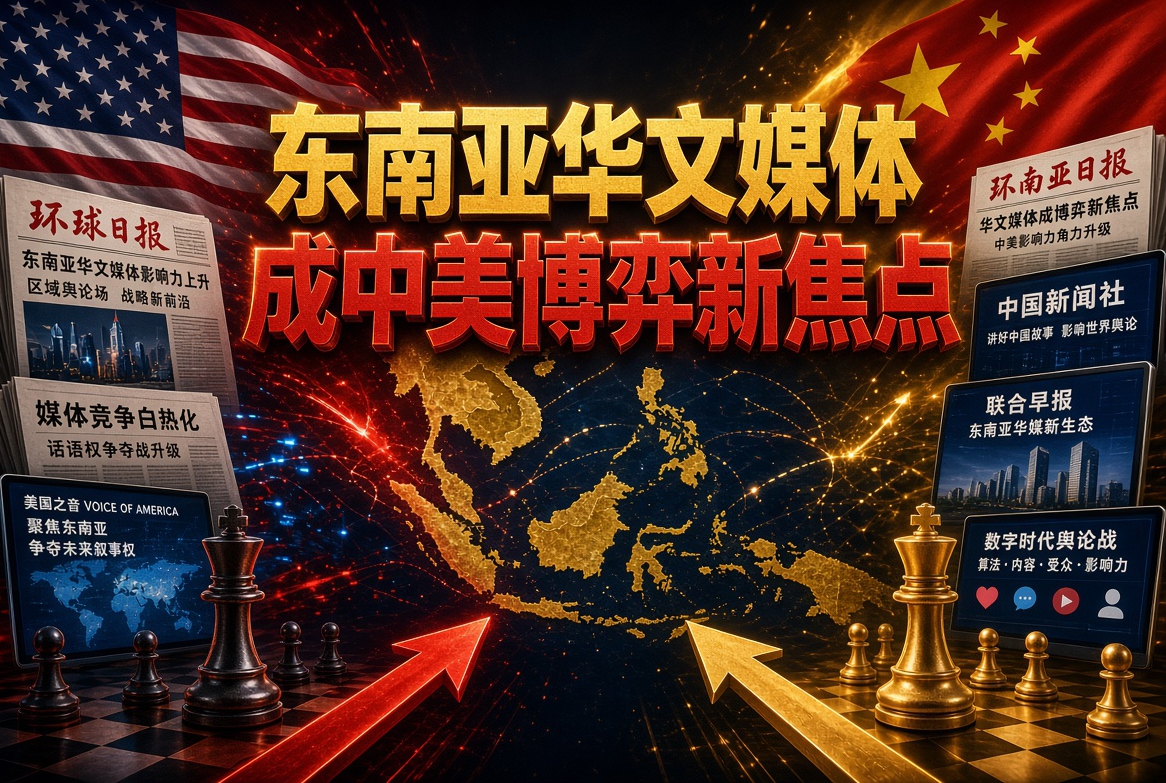
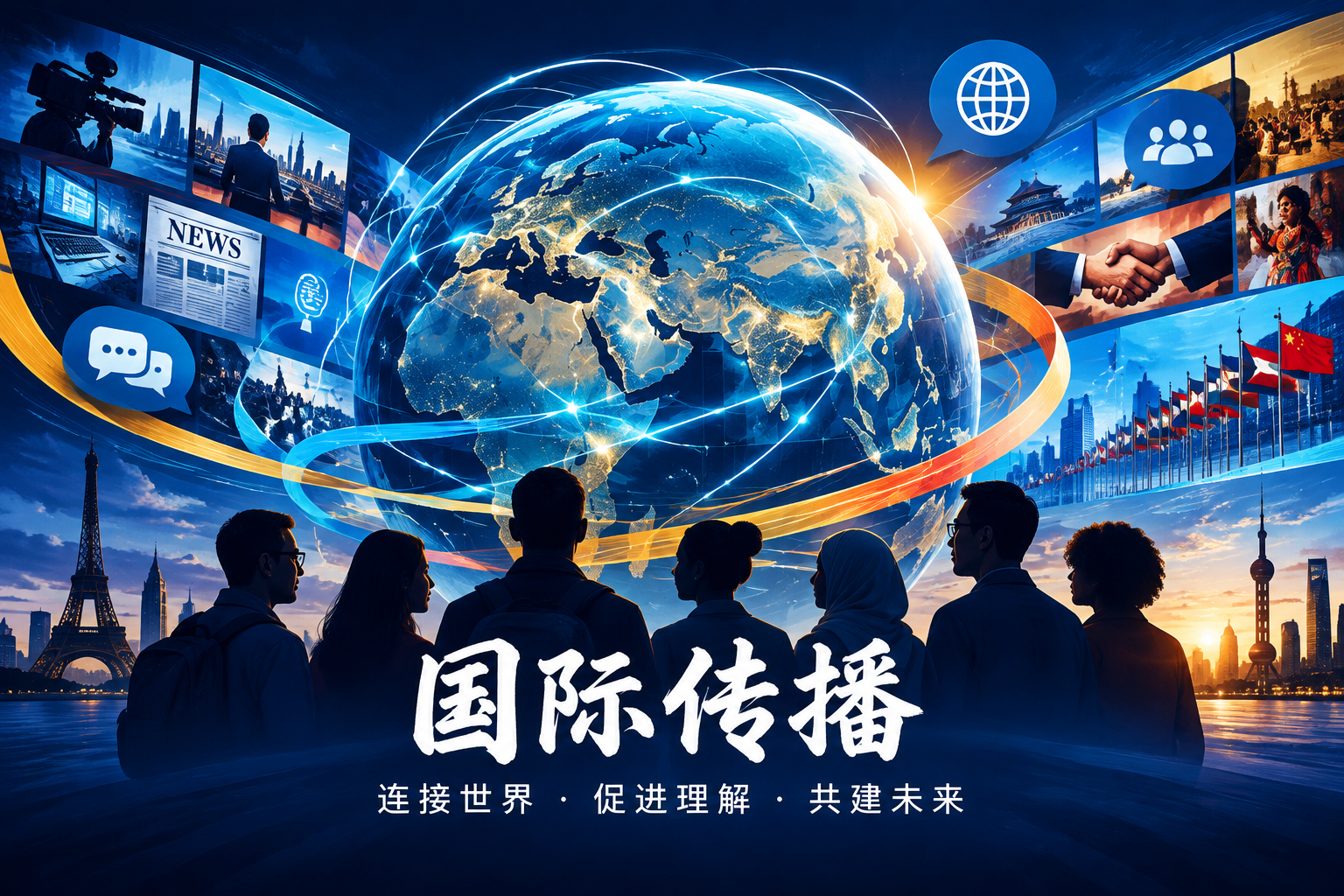
The rise of digital platforms and artificial intelligence has transformed cognitive space into a critical arena of international competition.
National image, risk perception, value dissemination, agenda-setting, and narrative framing increasingly influence international cooperation, market confidence, and strategic decision-making.
Today, competition takes place not only on land, at sea, in the air, and in outer space, but also within the realm of human cognition.
A nation must not only produce goods; it must also produce interpretations.
It must not only build physical infrastructure; it must also build cognitive infrastructure.
One of the most important forms of power in the future international system will be the ability to define reality.
Those who shape how global audiences understand the world will enjoy greater influence in rule-making and international cooperation.
The cognitive domain has therefore emerged as a strategic arena alongside military, economic, and technological competition.
VII. The Decisive Factor: Institutional Adaptability
Faced with these structural forces, China’s future will not be determined by any single variable.
The decisive factor is institutional adaptability.
History demonstrates that nations rise or decline not primarily because of external challenges themselves, but because of their ability—or inability—to respond effectively.
Technological revolutions require institutional innovation. Demographic change demands policy adjustment. Economic restructuring calls for industrial upgrading. Cognitive competition necessitates the modernization of communication systems.
Ultimately, every structural force becomes a test of institutional capacity.
China’s most important competitive advantage in the future may therefore lie neither in scale nor in resources, but in its ability to learn, adapt, and innovate continuously.
Conclusion
In the coming decades, China will confront a world far more complex than the one that facilitated its rise.
The international power structure is being reconfigured. Technological revolutions are accelerating. The logic of the global economy is changing. Demographic structures are evolving. Cognitive space is emerging as a new strategic frontier.
Together, these forces constitute both the external environment and the internal constraints shaping China’s future.
At its core, future competition will no longer be competition within a single domain. It will be competition over a nation’s overall capacity to adapt.
Those who understand change more quickly, respond more effectively, and shape developments more proactively will be better positioned to secure strategic initiative in the emerging era.
Bi Yantao is Professor at the School of International Communication and Art, Hainan University, and Editor-in-Chief of Communication Without Borders (CWB). The views expressed in this article are solely those of the author.