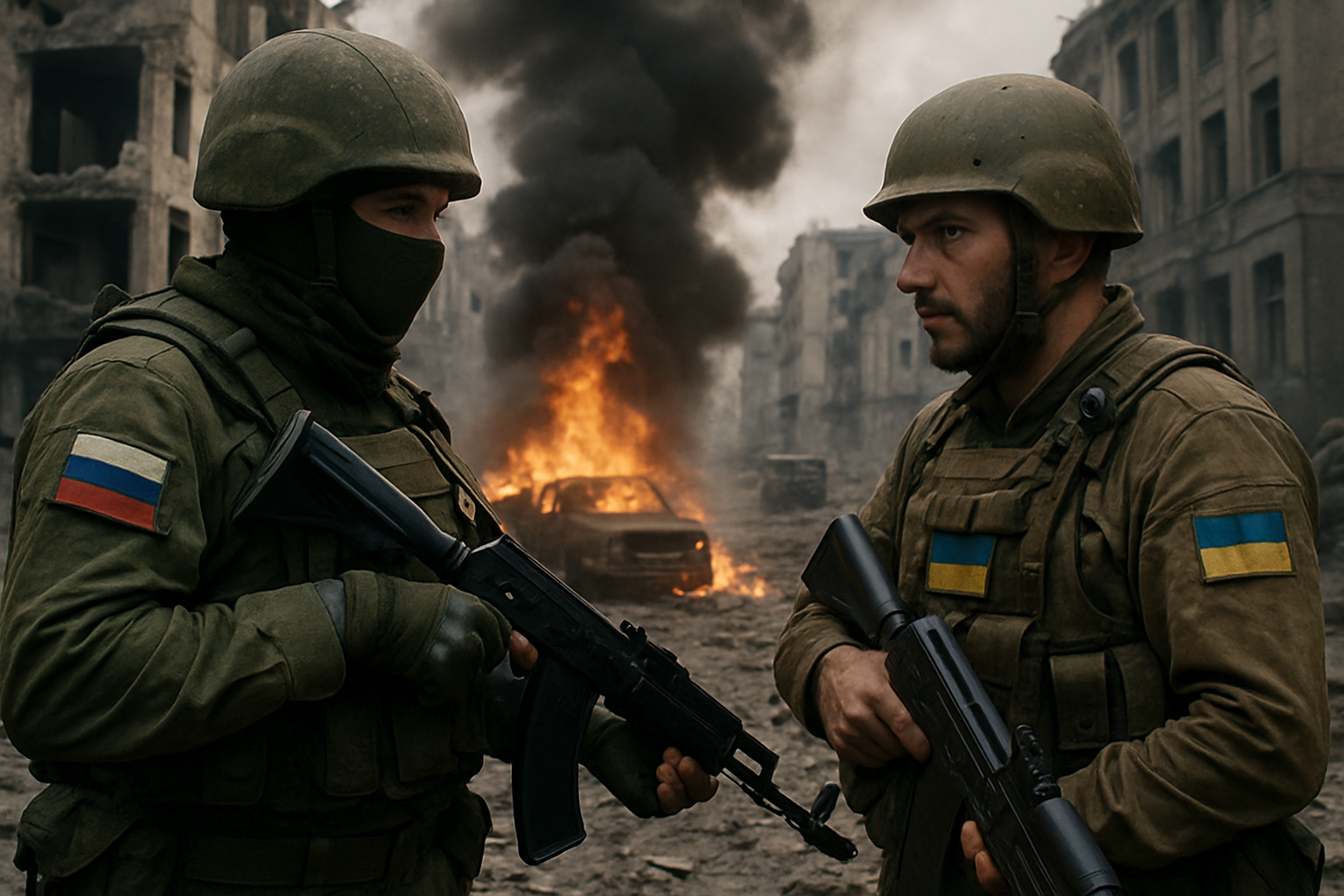
Is your view of the Ukraine war truly your own—or was it chosen for you?
By Bi Yantao
The war between Russia and Ukraine has dragged on for over three years. While the battlefield lies in Eastern Europe, the battle over narratives spans the globe. Whenever this conflict is mentioned—on social media, in media comment sections, or around the dinner table—discussions quickly devolve into a “pick-a-side” game: some firmly support Ukraine and condemn Russian aggression; others criticize NATO’s eastward expansion and support Russia’s claim of self-defense; and some declare this is a proxy war—a geopolitical confrontation between the U.S. and Russia.
But do we really understand this war? Or are we merely being led by a particular narrative?
How We Define a War Depends on Who’s Telling the Story
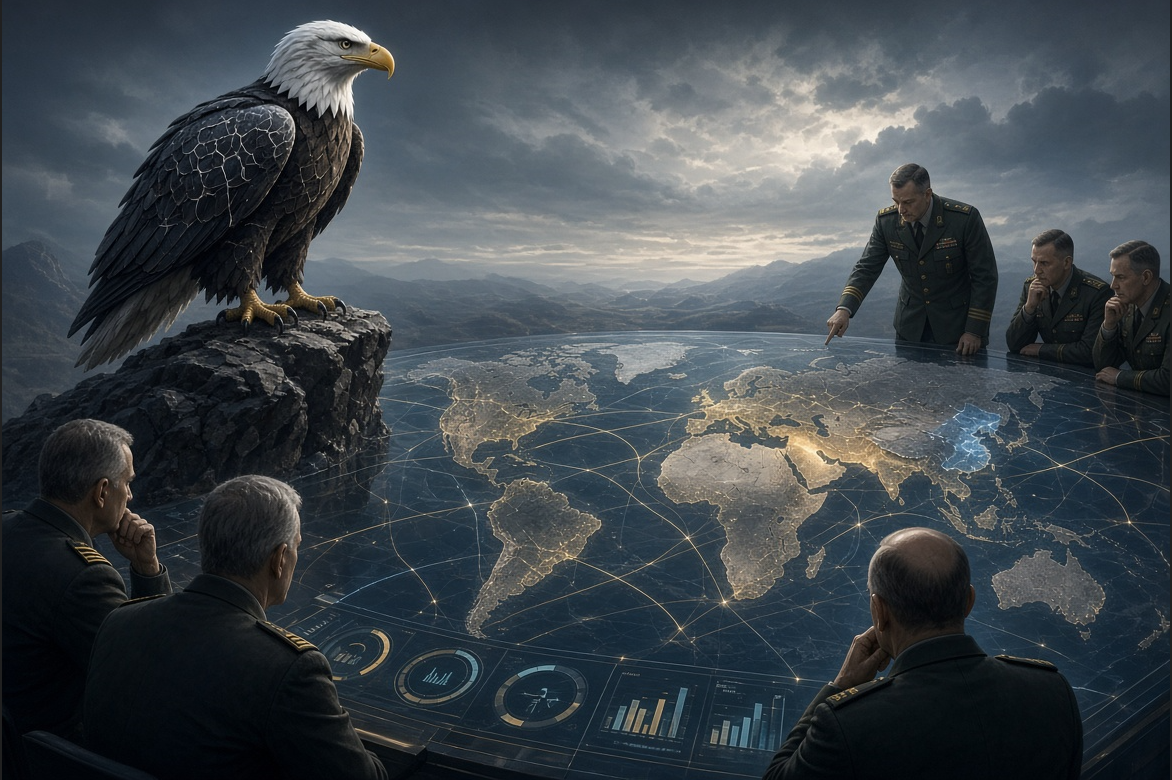
Wars are never confined to the battlefield—they also unfold in narratives. The notion of a “proxy war” is itself a narrative lens. This perspective emphasizes that Ukraine is not acting entirely on its own, but is a pawn in the broader strategic confrontation between the West and Russia. In contrast, another narrative insists that Ukraine is a sovereign nation entitled to defend itself against invasion, not anyone’s “proxy.”
Which lens dominates depends largely on the storyteller. Different media outlets and official discourses from different countries shape public understanding by selectively framing the conflict. Much of what we think we know about the war is, in fact, the product of these narrative choices.
You Think You’re Judging, But You’re Actually Aligning
When an issue becomes highly politicized, it often compels people to take sides. This is a key mechanism in modern communication: whether we realize it or not, information flows adapt to our click patterns and interaction preferences, pushing content that reinforces our existing views while filtering out dissent. This doesn’t encourage us to grapple with complexity; it nudges us toward tribal affiliation.
As a result, we are subtly “assigned” our positions: those who prefer Western media are more likely to see Russia as the aggressor; those who consume Russian or Chinese narratives often blame NATO as the real instigator. Paradoxically, those who deeply understand Ukraine’s internal conflicts and historical complexities are often the least willing to take sides.
The irony is that the more complex an issue, the more likely it is to be oversimplified—because most people lack the time or motivation to resist narrative presets. Instead, they gravitate toward quick alignment to gain psychological safety and social acceptance.
Why We Must Be Wary of “Automatic Alignment”
To question dominant narratives is not to abandon judgment—it is to become aware of how we arrive at judgment in the first place.
Each of us operates within a cognitive structure shaped by nationality, ethnicity, culture, language, education, media exposure, personal experience, and social networks. We rarely question this framework because it feels as natural as air. Yet when we instinctively “know” who is right upon hearing the news, it suggests our conclusions are not as autonomous as we think—they have been preconfigured.
The war may feel distant, but our perception of it directly influences our values, our worldview, and how we understand change and the global order.
The Real Question Is Not Which Side You’re On, But Whether You Can Step Outside the Divide
True independent thinking does not mean remaining silent or rejecting all perspectives. It means breaking out of inherited frameworks to observe events through multiple lenses.
Is the war in Ukraine a proxy war? Perhaps it is. Perhaps it isn’t. But before you answer, ask yourself: is this conclusion based on broad, critical inquiry—or is it something I’ve “known” all along?
The first step to cognitive awakening is not to change your stance, but to become aware of it—both your own and others’.
The author is a professor at the College of International Communication and Arts, Hainan University, and a senior fellow at the Charhar Institute.